
Starting when you are the oldest person in the room
What actually changes with age in a group class, what does not, and the specific adjustments worth asking for rather than hoping somebody offers.
The fear is being conspicuous. The practical reality is that age changes fewer things than people expect and a couple of things quite a lot, and knowing which is which is most of the answer.
What does not change
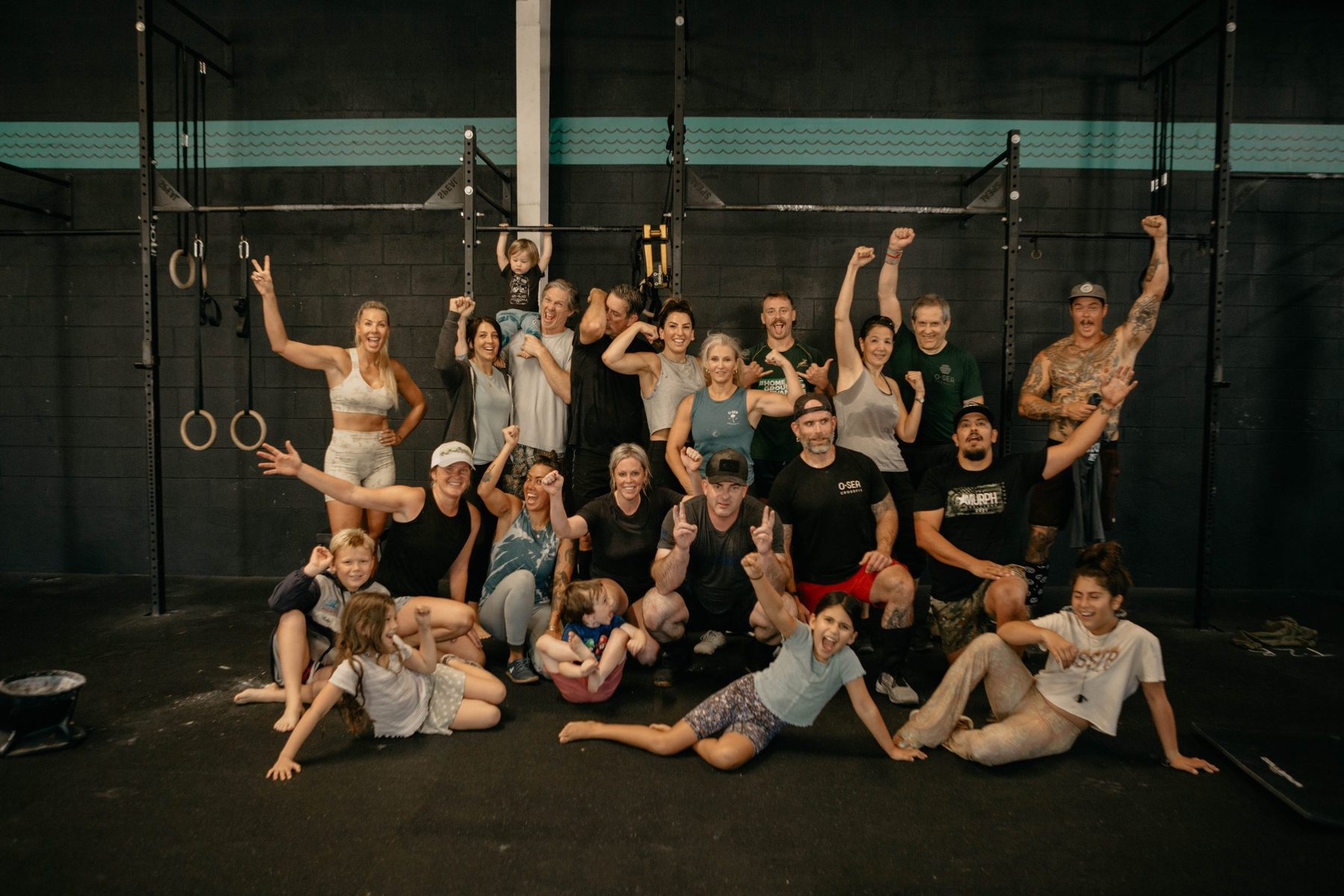
The workout is already scaled per person, so being given a lighter version is the normal state of the room rather than a concession made for you. Strength responds to training at every age that has been studied. And the social half of a class tends to be more mixed than the marketing photographs suggest.
What does change
- Recovery takes longer, which affects frequency more than it affects any single session.
- Joints tolerate high-impact repetition less well, so jumping and running volume is worth managing deliberately.
- Balance and coordination benefit from being trained directly rather than assumed.
- Existing conditions and medications matter, and a coach cannot account for what nobody has told them.
What to ask for
Ask for a lower-impact substitution as a default rather than a rescue: step-ups instead of box jumps, rowing instead of running, from day one rather than after something aches. Ask for two sessions a week rather than three at the start. And say what you take and what you have had done, because it changes sensible answers to both.
The part that is genuinely different
The upside is larger. Strength, balance and the ability to get off the floor unaided are the things that decide independence later, and they are trainable now. That is a better reason to be in the room than anything on a whiteboard.
Where this does not apply
This is not a substitute for medical clearance. If you have a cardiac condition, a recent operation, osteoporosis or anything your doctor has asked you to be careful with, the first conversation is theirs, and a coach should be working from what they have cleared rather than from how you feel on the day.
The first six weeks, specifically
Two sessions a week with three days between them, low-impact substitutions taken as standard rather than requested mid-workout, and one movement each session practiced slowly with no load. That last one is the part people skip and the part that makes the next six months possible.
Expect the second week to feel harder than the first. Soreness peaks late when you are new, and it is not a sign that the first week was a mistake.
What to measure instead of weight
- Getting off the floor without using your hands.
- Carrying shopping in one trip without setting it down.
- Stairs without thinking about them.
- Sleeping through the night more often than you did.
Those are the outcomes that decide how the next twenty years go, and they move long before anything on a barbell does.
Common questions
Am I too old to start CrossFit?
Age changes recovery and impact tolerance rather than whether training works. The adjustments are specific and worth asking for directly.
Will I be the only older person there?
Classes are usually more mixed than they look from outside. Watching a session before joining answers this better than any page can.
Do I need a doctor's clearance first?
If you have a diagnosed condition, a recent operation, or have been told to be careful with exertion, yes, and bring what they say.
Come and see for yourself
A conversation costs nothing and answers more than any page.